Single-tooth implant visit
Missing a tooth? This is a simple place to start.
If you are missing a tooth, have a tooth that may need to come out, or want to understand your replacement options, this page can help you get oriented before your visit.
- Learn what an implant visit usually involves
- Understand whether more imaging may be needed
- Know the next step before you come in
Missing tooth
Implant visit
Personalized plan
What your visit helps answer
Your visit helps the doctor look at the tooth, the bone, and the bigger picture before recommending treatment.
A clear explanation of the first step, what the doctor needs to check, and what may happen next.
Big decisions feel easier when you understand your options and do not feel rushed.
What this page is here to do
Help you understand the first step without overwhelming you.
If you are thinking about an implant, you probably want to know whether it may work for you, what the visit is for, and what happens after that.
This page is meant to make that feel clearer. It does not replace your visit, but it can help you feel more prepared for it.
Look at the whole picture
Your visit helps the doctor evaluate the tooth, the surrounding area, and whether additional planning is needed.
Explain what comes next
If an implant may be a fit, the office can explain the next step in a way that is easier to understand.
Move at a pace that feels clear
You do not need every answer before you reach out. You just need a clear place to begin.
Planning and imaging
Sometimes the doctor needs more information before recommending treatment.
If additional imaging or records are needed, the office can explain why and how that fits into the next step.
What to expect at your consultation
Keep the experience simple. Put the case detail into the consultation.
Review the missing-tooth situation
Start with the specific tooth, how long it has been missing or failing, and what the patient wants restored.
Discuss fit and planning
Use the consult to explain whether an implant path may make sense and whether records or CBCT review are needed.
Set the next step
Move into treatment planning, sequencing, timing, and the best next step after doctor review.
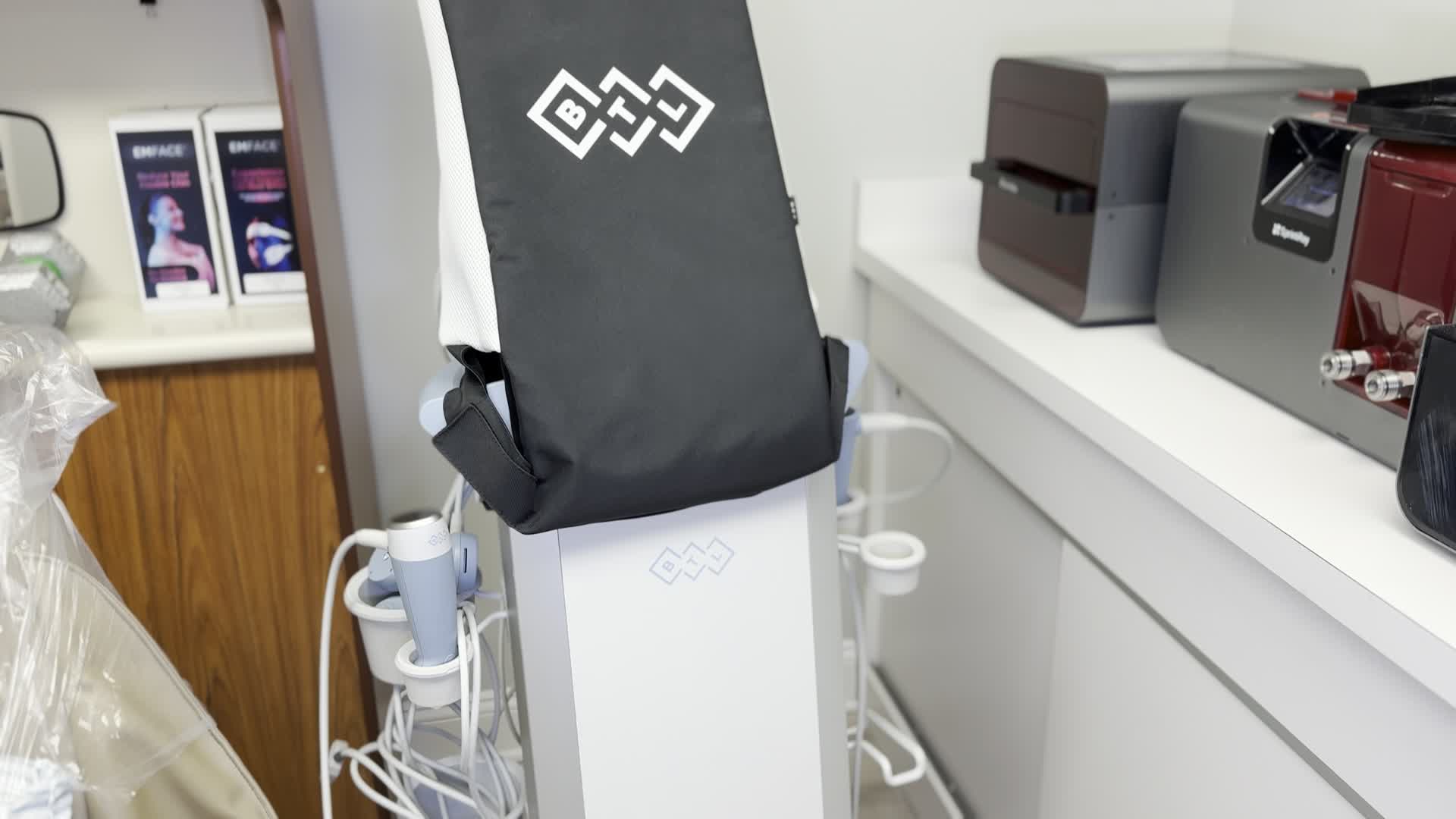
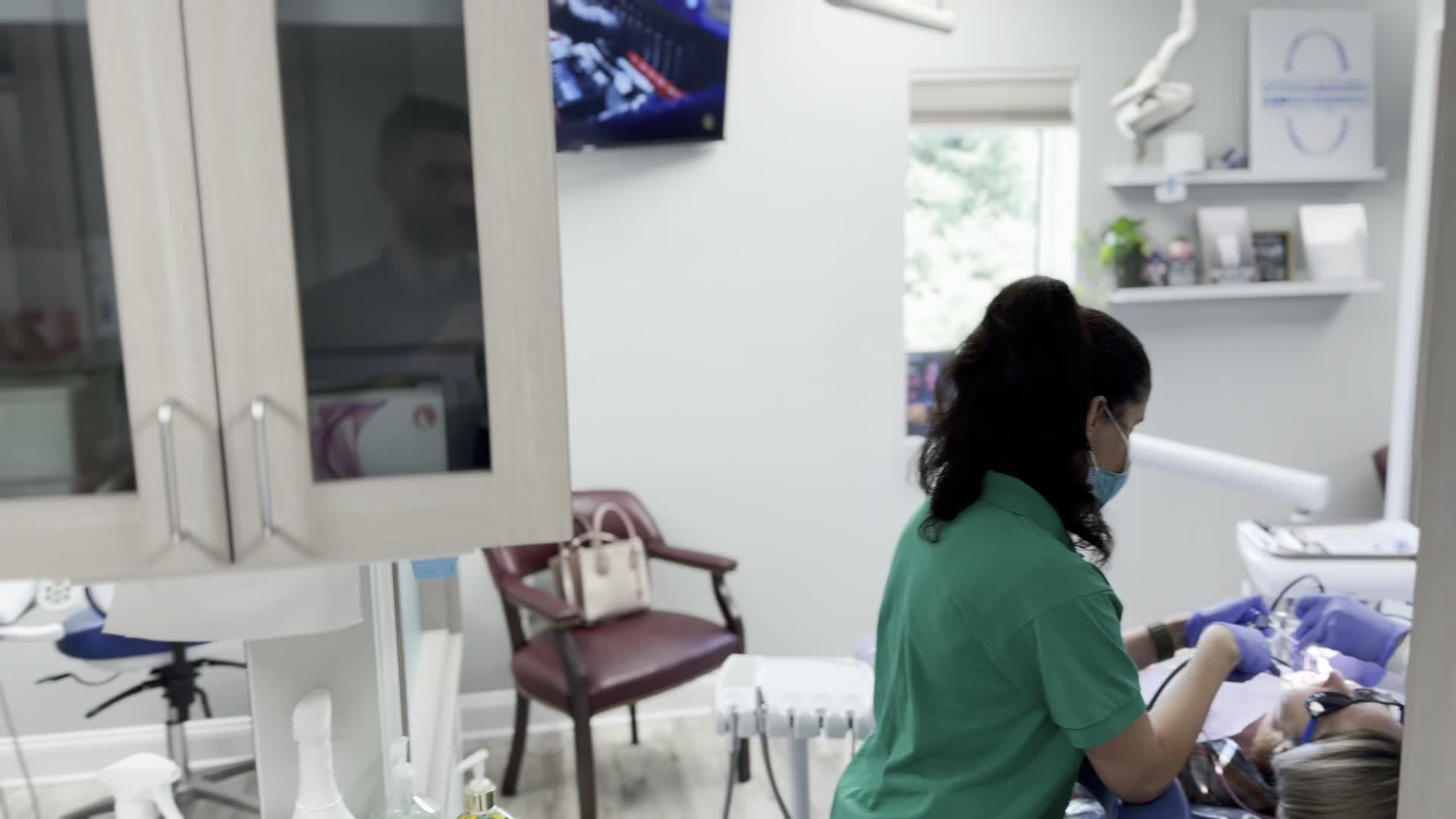
Office environment
A calm, modern office can make a big decision feel less overwhelming.
When you are thinking about replacing a tooth, it helps when the office feels organized, modern, and easy to trust.
FAQ
Enough clarity to build trust before the call.
No. That should only be determined after evaluation and any needed planning records.
Some cases may need advanced imaging for planning. If it is clinically needed, the office will review that during the consultation process.
If records show an implant is not the right fit, the office can explain the findings and review the best next step according to policy.
No. The website helps you request the consultation and planning step; the details are determined after evaluation.
What happens after you reach out
The next step should feel simple.
After you reach out, the office reviews your request, contacts you, and helps you understand what comes next.
The team reviews your request
Your information helps the office understand your situation before reaching out.
The office contacts you directly
The team answers early questions and helps schedule the right type of visit.
Planning starts after the evaluation
Recommendations, timing, and any additional planning happen after the doctor has reviewed your situation in person.
A multi-doctor team and a calmer office experience can make a big decision feel easier.
Planning technology helps the office look closely and explain your options more clearly.
Your visit helps the doctor review the tooth, the bigger picture, whether records are needed, and what the next step may look like.
If you have already talked with the office before, use the same form or call and ask for a follow-up implant visit.
Ready for the next step?
Start with a visit that helps you understand your options.
If you are replacing a missing tooth or dealing with a failing tooth, request a visit and let the office guide you through the next step.